.webp)


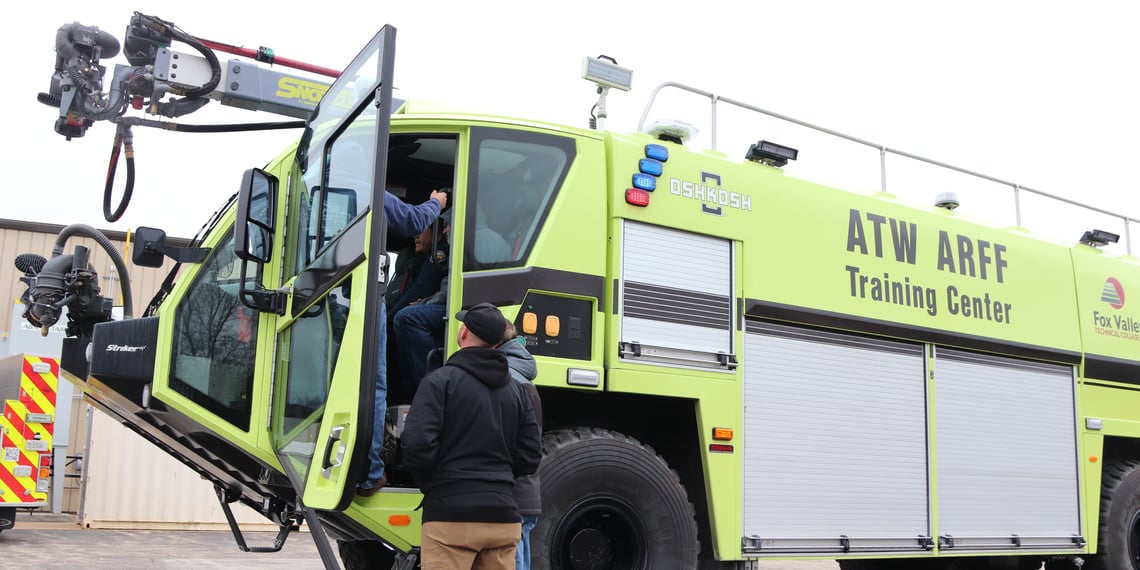
An aircraft rescue and firefighting (ARFF) vehicle must be ready to perform when an emergency occurs. Keeping this highly specialized apparatus operational requires skilled technicians who understand how its systems work together, how to identify the source of an issue and where to find the information needed to resolve it.
That’s why Oshkosh Airport Products offers intensive, five-day ARFF vehicle maintenance and troubleshooting training at its headquarters near Appleton, Wisconsin. Through instructor-led discussions, hands-on exercises and simulated maintenance issues, technicians gain practical skills they can apply when supporting equipment at their own airports.
ARFF Technical Training Course Offerings
Oshkosh Airport Products offers two five-day technical training courses for the Gen 2 & 3 Striker® ARFF, each focused on a different area of the vehicle:
- Firefighting Maintenance and Troubleshooting: Participants learn the proper operation, lubrication, adjustment, preventive maintenance and troubleshooting of the vehicle's firefighting systems, including the water pump, turrets, hand line, foam proportioning system, dry-chemical system and clean agent system.
- Chassis Maintenance and Troubleshooting: Participants learn the proper operation, lubrication, adjustment, preventive maintenance and troubleshooting of the vehicle's chassis systems, including the engine, transmission, power divider, power distribution, ABS, suspension, brakes, steering and electrical components.
Most technicians choose to complete both courses to gain a more comprehensive understanding of their ARFF vehicles. Others select the course that best aligns with their responsibilities or the systems they want to understand more thoroughly.
Todd Knorr, senior manager of product training and technical publications, oversees the team responsible for developing and delivering these courses.
Below, Knorr offers an inside look at what technicians can expect during an Oshkosh ARFF technical maintenance and troubleshooting training course and how the experience prepares them to support critical ARFF apparatus.
Maintenance Training Designed to Build ARFF Vehicle Understanding and Confidence
Whether you’re taking the firefighting maintenance or the chassis maintenance training course, the objective of the training is not to teach participants how to repair one isolated problem. Instead, the program helps technicians understand how the apparatus is designed to operate and equips them with a troubleshooting process they can use when an issue arises.
“The goal is to help participants feel empowered and confident,” Knorr said. “When they return to their airport and encounter an issue, they have the information, hands-on training and comfort level to begin troubleshooting it.”
Attendees bring a wide range of backgrounds and technical experience. Large airports may have dedicated maintenance technicians responsible for the ARFF fleet, while firefighters at smaller airports may also help maintain the apparatus. Some attendees have worked with Oshkosh vehicles for years, while others are still becoming familiar with the systems.
To accommodate these different experience levels, each session is limited to approximately 20 technicians. The smaller class size allows everyone to work directly with the vehicle, ask questions and receive hands-on guidance from the instructor.
An ARFF Training Week at a Glance
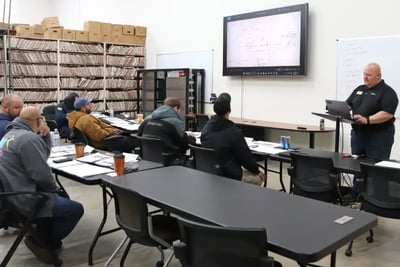 When technicians sign up for a five-day ARFF maintenance and troubleshooting course, the Oshkosh team wants their experience to be as straightforward as possible, from planning the trip to completing the final day of training.
Each course runs Monday through Friday at the Oshkosh Airport Products headquarters, typically from 7:30 a.m. to between 3:30 and 4 p.m. The Oshkosh team can recommend nearby travel and lodging options, including a partner hotel that provides shuttle service to and from the training facility. Lunch is also provided every day on site.
“We want participants to be able to focus on the training once they arrive,” Knorr said. “Helping them make their travel and lodging as seamless as possible ahead of time makes the entire experience easier.”
Throughout the week, classroom training and conversations are paired with work on an actual ARFF vehicle, allowing participants to apply what they learn, ask questions and build their technical knowledge.
Before the hands-on troubleshooting begins, however, Monday is dedicated to understanding each participant’s goals and establishing a strong foundation and course track for the week ahead.
Monday: Starting the Week with Trainee Goals
A typical training week begins with an important question: What does each technician hope to learn when it comes to maintaining and troubleshooting an ARFF vehicle?
The Oshkosh instructor records participants’ questions and goals, creating a roadmap that can be revisited throughout the course. One technician may want to understand how to diagnose a tank shutoff valve, while another may have questions about a turret, pump or foam system. As the class reaches each related topic, the instructor returns to the list and makes sure the question is addressed.
Although each of the two ARFF maintenance courses follows an established framework, this opening conversation allows instructors to spend additional time on the systems and challenges most relevant to the participants.
“It gives the trainees buy-in right away,” Knorr said. “As the week progresses, we can return to what they asked about and make sure we deliver that information. We are making sure every single trainee is getting the absolute most out of the program.”
Connecting Classroom Instruction to the ARFF Vehicle
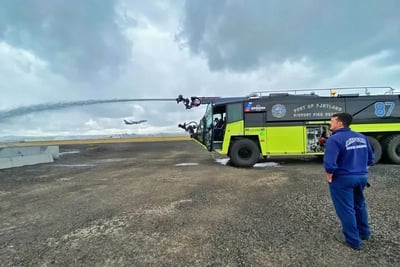 All Oshkosh ARFF technical training is instructor-led. Participants are not asked to watch virtual lessons or independently review materials. Instead, instructors guide them through each ARFF system, answer questions and help connect technical concepts to the physical apparatus.
A lesson typically begins in the classroom, where the instructor explains the theory, components and operation of a particular ARFF system. Participants then move to an ARFF vehicle to locate those components and see how they work together.
Working directly with the vehicle allows instructors to go beyond what can be shown on a presentation slide. While discussing one system, they can point out the surrounding components that support it and explain how an issue in one area may affect another.
Hands-On ARFF Vehicle Troubleshooting
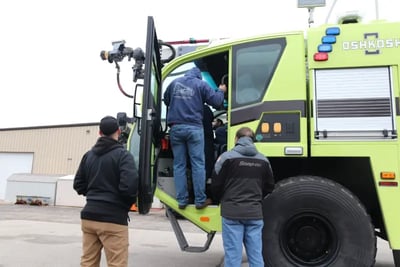 One of the most valuable parts of the training is the opportunity to diagnose and troubleshoot realistic maintenance issues on an actual ARFF vehicle.
To make these exercises as relevant as possible, the training team works closely with Oshkosh technical assistance, warranty and parts teams to identify common maintenance questions and challenges technicians encounter in the field. Instructors then recreate select maintenance issues on the training vehicle, giving participants an opportunity to determine what is not operating correctly and how to address it.
“Everybody gets an opportunity to use what they’re learning and apply those skills to troubleshoot a realistic scenario,” Knorr said. “It’s giving them the knowledge and confidence to become the ARFF expert within their own organization—someone who can diagnose and resolve many issues without immediately having to call for technical support.”
Using ARFF vehicle schematics, service resources and the processes covered in class, participants examine the apparatus and work through each issue. Instructors provide guidance along the way, helping technicians understand what to look for, which resources to use and how to approach the troubleshooting process.
After each exercise, the class comes together to discuss what participants found, how they identified the issue, which tools and resources they used and how they arrived at a solution.
An ARFF Maintenance Training Curriculum Built to Evolve
Although each course has a defined foundation, the curriculum continues to evolve based on questions and feedback from participants.
If technicians repeatedly ask about a specific component, system or maintenance process, the training team considers how that subject could be incorporated into future courses. This ongoing feedback helps keep the curriculum aligned with the challenges technicians encounter while maintaining ARFF vehicles at their airports.
“The training curriculum isn’t set in stone,” Knorr said. “We listen to the questions participants ask during each course. If we continue hearing the same question, we look at how we can build that topic into the curriculum moving forward.”
Learn more about Oshkosh Airport Products training.
A Collaborative Learning Experience
With technicians traveling to Oshkosh, learning together and sharing meals throughout the week, the experience can begin to feel like a training camp. Participants connect with people who maintain similar equipment, exchange stories from their airports and learn from one another in a relaxed, collaborative environment.
“By Wednesday, Thursday and Friday, participants really begin to open up,” Knorr said. “It starts to feel a little like being at camp—they’re more relaxed, they’re joking with one another and they’re having fun while still learning and building confidence in their abilities.”
By the end of the week, technician trainees who may have initially been unsure where to begin when a maintenance issue arises are more comfortable examining the apparatus, consulting available resources and working through an issue step by step.
ARFF Technical Support Beyond the Training Week
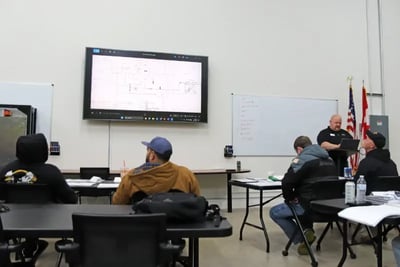 Throughout the week, instructors introduce technicians to the manuals, schematics and online resources they can continue using at their airports.
One of the most important resources covered during the course is AirportProductsSupport.com. Instructors help participants access the website and show them where to find information related to their vehicles, including:
- Parts information
- Component calibration procedures
- Vehicle schematics and wiring diagrams
- Service information for diagnosing and repairing components
Rather than simply mentioning these resources, instructors incorporate them into classroom discussions and hands-on exercises. For example, when participants learn how to set up or troubleshoot a component, the instructor shows them where to find the related procedure on the support website.
“We don’t expect participants to remember every maintenance step or process after they leave,” Knorr said. “We want them to remember where they found the information, how they used it during training and how they can access it again when they need it.”
If questions arise after the training, technicians can also contact their local dealer or the Oshkosh technical support team for additional guidance. The training team can also help connect former participants with the appropriate support resources.
“The relationship doesn’t end on Friday,” Knorr said. “If a technician has a question weeks, months or even years later, we can help connect them with the right people and resources to support their apparatus.”
The Value of Investing in ARFF Technical Training
Sending technicians to a week-long training course requires an investment of both time and budget. But for airports responsible for keeping ARFF vehicles operational, the return extends far beyond the classroom.
Well-trained technicians are better equipped to identify problems early, perform maintenance correctly and troubleshoot issues before they lead to unnecessary ARFF vehicle downtime. The result is a more reliable ARFF fleet, greater confidence within the maintenance team and fewer disruptions when every minute counts.
"You can't put a price tag on knowing your ARFF apparatus is always 100% ready when it matters most," Knorr said. "Anything a technician can do to keep a vehicle prepared for an emergency is priceless because you can't calculate the cost of lost time when it comes to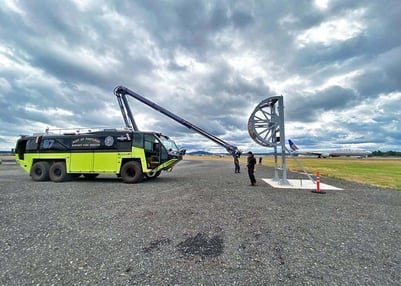 firefighter rescue. When firefighters respond, they need equipment that performs exactly as it's designed to."
Ready to build knowledge in your maintenance team? Explore upcoming ARFF technical training opportunities and learn how Oshkosh Airport Products can help your technicians keep your ARFF fleet mission ready.
ARFF Vehicle Training FAQs
What does Oshkosh ARFF technical training include?
Oshkosh Airport Products offers two five-day technical training courses that combine instructor-led classroom instruction with hands-on work on an ARFF vehicle. Depending on the course, participants learn system operation, preventive maintenance, troubleshooting techniques and how to use service manuals, schematics and online support resources.
Is Oshkosh ARFF technical training hands-on?
Yes. Throughout the week, participants work directly on an ARFF vehicle to reinforce classroom instruction. Instructors also recreate realistic maintenance scenarios, allowing technicians to diagnose issues, use schematics and apply structured troubleshooting techniques in a controlled environment.
What do technicians learn during ARFF maintenance training?
The training is designed to help technicians understand how the vehicle's systems are intended to operate rather than simply teaching them how to fix a single problem. Depending on the course selected, participants gain experience maintaining and troubleshooting either the vehicle's firefighting systems or its chassis systems while building a repeatable troubleshooting process they can apply at their own airport.
Who should attend Oshkosh ARFF technical training?
The courses are intended for anyone responsible for maintaining Oshkosh ARFF vehicles. Participants include dedicated maintenance technicians, airport fleet personnel, firefighters who also perform apparatus maintenance and service professionals looking to strengthen their technical knowledge of ARFF equipment.
What makes Oshkosh ARFF technical training different?
Oshkosh ARFF technical training combines instructor-led classroom sessions with extensive hands-on work on an actual ARFF vehicle. Participants troubleshoot realistic maintenance scenarios, collaborate with technicians from other airports and leave with practical experience they can immediately apply to maintaining their own apparatus.
Why is ARFF technical training important?
ARFF vehicles must be ready to perform at a moment's notice during an emergency. Technical training gives maintenance personnel the knowledge and confidence to identify issues early, perform maintenance correctly and troubleshoot problems more efficiently, helping airports keep their ARFF vehicles ready for service when they're needed most.